

Placental-derived exosomes represent promising off-the-shelf therapeutic modalities emerging from the postpartum placenta. We are advancing pEXO-based therapies that deliver combinations of proteins, microRNAs, lipids, amino acids, and metabolites to address chronic inflammation, with the ultimate goal of combating age-related degenerative diseases.
– Anna Gosiewska, Sr. Vice President, Research & Development
Placental Exosomes
Exosomes are extracellular vesicles secreted by a variety of cells and contain diverse cellular components such as DNA, mRNA, microRNA, proteins, lipids, amino acids, and metabolites. Exosomes play a role in distant intercellular communication and regulate biological responses, hence favorable for developing therapeutics.
Exosomes secreted by the placenta are known to play key roles in maintaining maternal-fetal tolerance and fetus development during pregnancy. Exosomes isolated from the placenta may contain a broader spectrum of biological functions and therapeutic potential. We have developed methods to isolate and characterize exosomes from the human postpartum placenta.
Placental Exosomes express characteristic exosome markers, including CD9, CD63, and CD81 and contains over a thousand different proteins and microRNAs that are involved in various biological pathways. Placental Exosomes consist of many types of cytokines and chemokines and supports the proliferation of human primary cells from different organs and tissues.
Our Placental Exosomes pipeline is being evaluated for the applications in regenerative and age-related diseases at the pre-clinical stage.
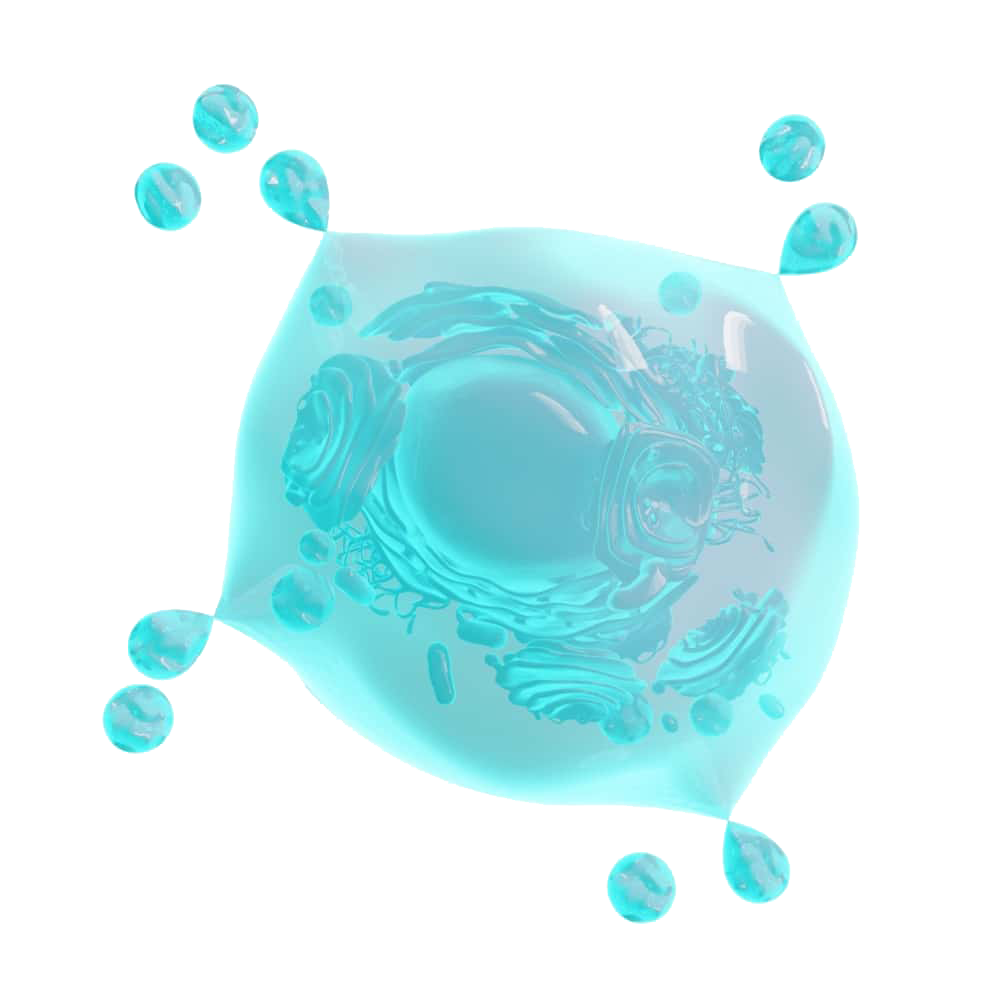
Exosomes—small, membrane-bound vesicles produced by every cell type tested—are increasingly being studied for their ability to deliver proteins, nucleic acids, and metabolites to target cells. We are developing placental exosomes as potential treatments that can deliver pro-regenerative factors that promote development of neural cells, blood vessels, and muscle.
– Robert J Hariri, MD, PhD
RESOURCES
ASEMV2019 ANNUAL MEETING, POSTER SESSION
Evaluation of Pro-regenerative Activities of Human Placenta Derived Exosomes