

Our PDAC program has advanced through Phase 2 in diabetic foot ulcers and is now preparing for Phase 3 evaluation. Together with our studies in Crohn’s disease and multiple sclerosis, this growing clinical experience strengthens our goal of delivering safe, reliable cell therapies for patients with autoimmune and neurodegenerative diseases.
– Sharmila Koppisetti, MD, SVP, Clinical Development Immunology and Drug Safety
PDA-001 & PDA-002
Human placental-derived mesenchymal-like stromal cells are a novel, culture-expanded mesenchymal-like cell population derived from healthy, full-term human placental tissue. These cells are plastic-adherent and undifferentiated in vitro and express pluripotency related genes. Mesenchymal-like stromal cells are genetically stable, displaying a normal diploid chromosome count, and a normal karyotype and exhibit normal senescence after prolonged culture periods. In vitro studies showed that these cells exhibit immune-modulatory properties – they suppress effector cell function, promote tolerogenic immune phenotype, and reduce pro-inflammatory cytokine secretion. Mesenchymal-like stromal cells also possess regenerative and pro-angiogenic properties demonstrated through the secretion of several mitogenic and angiogenic factors. In vivo, we have demonstrated immune-modulatory properties of mesenchymal-like stromal cells alleviate autoimmunity in encephalomyelitis (EAE) mouse model, and possess anti-inflammatory activity in rat perineural inflammation neuritis model, anti-fibrotic effect in mice lung fibrosis model and neuroprotection and pro-neurogenesis functions in rodent stroke models.
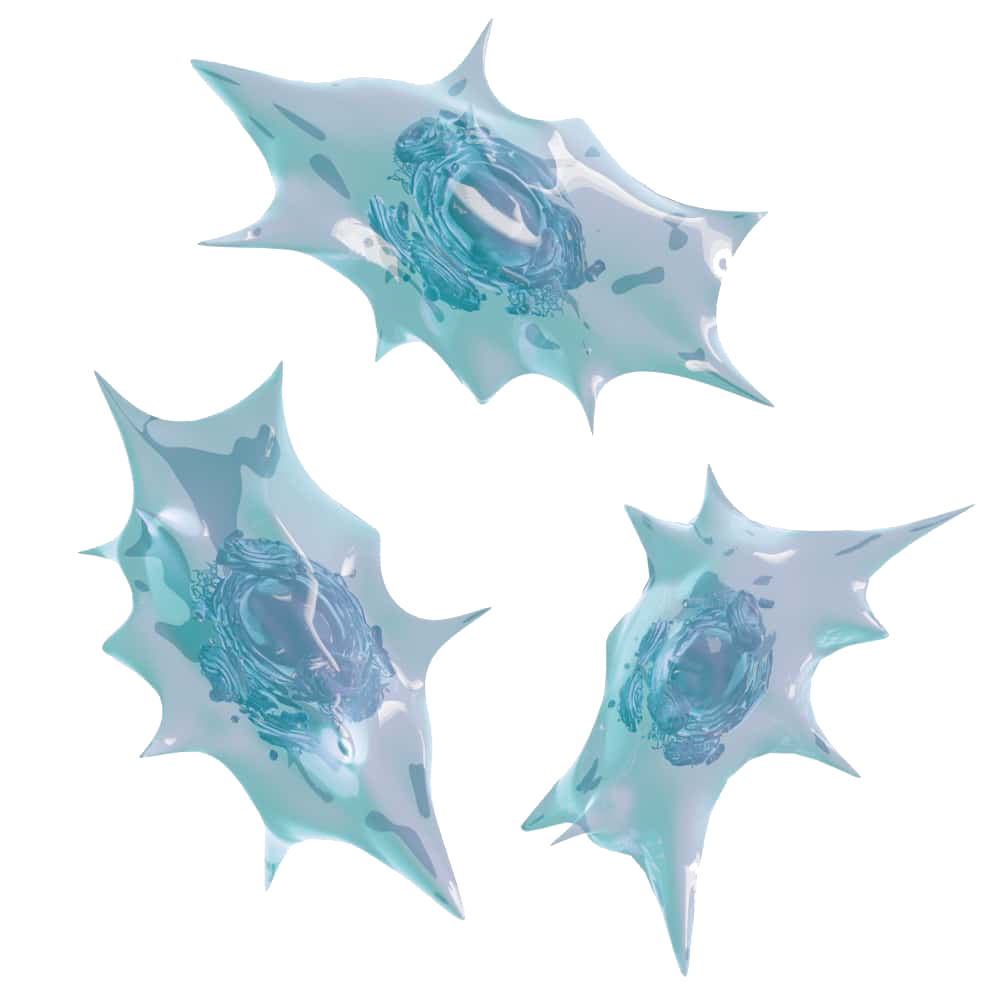
Both intravenous and intramuscular administration formulations of mesenchymal-like stromal cells have been developed and investigated in clinical studies in Crohn’s Disease, multiple sclerosis, rheumatoid arthritis, diabetic foot ulcers, and diabetic peripheral neuropathy.
RESOURCES
International Wound Journal
Human Placenta-Derived Cells (PDA-002) in Diabetic Foot Ulcer Patients With and Without Peripheral Artery Disease: A Phase 2 Multi-Center, Randomised, Double-Blind, Placebo-Controlled Trial
Stem Cells Journals
Human placenta-derived mesenchymal stromal-like cells enhance angiogenesis via T cell-dependent reprogramming of macrophage differentiation.
Journal of Vascular Surgery
Angiogenic properties of human placenta-derived adherent cells and efficacy in hindlimb ischemia.
Inflammatory Bowel Diseases
Human placenta-derived cells (PDA-001) for the treatment of moderate-to severe Crohn’s Disease: a phase 1b/2a study.
Stem Cells Journals
Human placenta-derived adherent cells improve cardiac performance in mice with chronic heart failure.
Multiple Sclerosis and Related Disorders
Human placenta-derived cells (PDA-001) for the treatment of adults with multiple sclerosis: a randomized, placebo-controlled, multiple-dose study.
Clinical and Translational Immunology
Human placenta-derived adherent cells induce tolerogenic immune responses
Inflammatory Bowel Diseases
Safety and tolerability of human placenta-derived cells (PDA-001) in treatment-resistant Crohn’s Disease: a phase 1 study.
Brain, Behavior, and Immunity
Placenta-derived adherent cells attenuate hyperalgesia and neuroinflammatory response associated with perineural inflammation in rats.
Cell Transplantation
Neuroprotective effect of human placenta-derived cell treatment of stroke in rats.
Stem Cells Journals
Human placenta-derived adherent cells prevent bone loss, stimulate bone formation, and suppress growth of multiple myeloma in bone.